

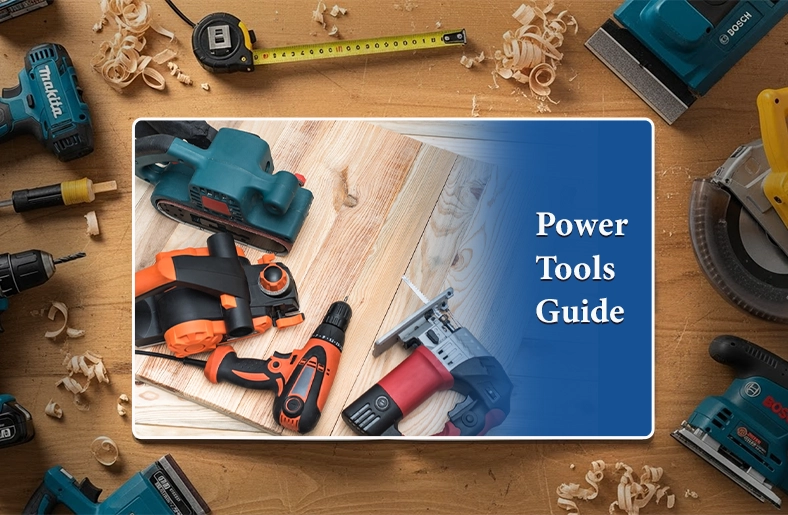
Power tools have become essential in both DIY projects and professional services. If you are interested in construction, building DIY projects, or home repairs, these tools are incredibly helpful.
However, with sheer variety, it is normal to feel overwhelmed. This guide explains everything about power tools, their common types, uses, and how you can work with them safely.
Key Takeaways
- Power tools use an external power source, such as electricity, rechargeable batteries, or compressed air, to function.
- There are different types of power tools, including handheld, pneumatic, stationary, benchtop, and portable tools.
- These tools are used in different fields like DIY projects, carpentry, construction, home improvement, and automotive.
- By following safety guidelines and maintaining these tools properly, you can make each of your tasks seamless.
What are Power Tools?
Power tools operate using an external power source rather than manual effort. This power source can be rechargeable batteries, electricity, or compressed air. Unlike hand tools, power tools use motors to complete tasks efficiently.
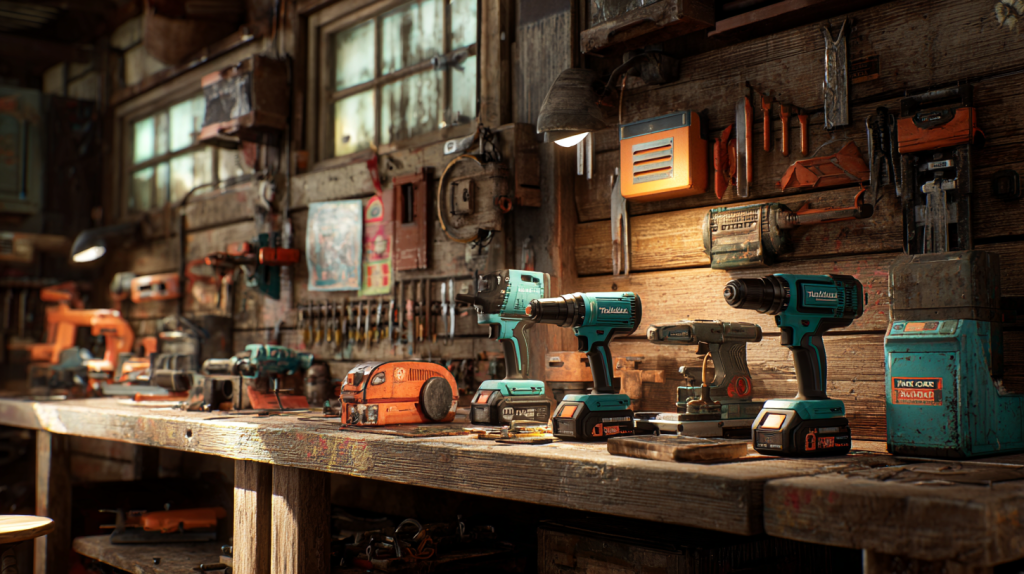
Power tools are mostly used in
- Home improvement and DIY projects
- Carpentry and woodwork
- Construction and renovation
- Mechanical and automotive work
Power Tools vs Hand Tools
The main difference between hand and power tools lies in the way they are powered and used.
| Feature | Hand Tools | Power Tools |
| Definition | Tools operated manually using physical effort | Tools powered by electricity, batteries, or compressed air |
| Power Source | Human strength | Electric power, batteries, or air pressure |
| Speed & Efficiency | Slower and more labor-intensive | Faster and highly efficient |
| Ease of Use | Simple to use, minimal learning curve | Requires basic training and safety awareness |
| Precision & Accuracy | High control for small, detailed tasks | High precision for repetitive and heavy tasks |
| Common Examples | Hammer, screwdriver, hand saw, wrench | Drill, circular saw, grinder, sander |
| Portability | Highly portable and lightweight | Cordless tools are portable; corded tools less so |
| Skill Level Required | Suitable for beginners | Beginners to professionals (tool-dependent) |
| Safety Risks | Lower risk when used properly | Higher risk; requires protective equipment |
| Maintenance Needs | Minimal maintenance | Regular maintenance and battery care are needed |
| Cost | Generally low and affordable | Higher cost depending on type and quality |
| Durability | Long-lasting with minimal wear | Durable but dependent on motor and components |
When to Use Hand Tools
- Light-duty tasks
- Tight or delicate spaces
- Situations that need maximum control
When to Use Power Tools
- Repetitive or time-consuming tasks
- Heavy-duty cutting, drilling, and grinding
- Professional or large-scale projects
Common Features of Power Tools
All power tools are different in shape, size, and purpose. However, they often share some common features that increase their functionality.
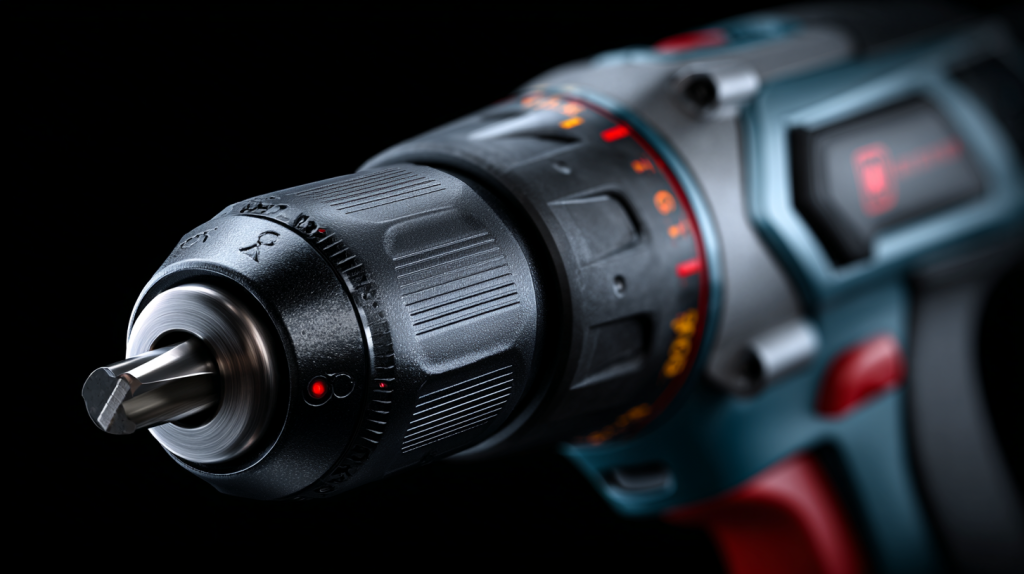
These features include
- Motor: Power tools have a motor that gives them the necessary power to operate. The motor can be pneumatic (air-powered), electric, or battery-powered.
- Trigger Switch: Many power tools have a trigger switch that helps you control their operation. You can start or stop the tool by pressing or releasing the trigger switch.
- Adjustable Speed Control: Many power tools come with adjustable speed control. It enhances accuracy and precision.
- Balanced Design: These tools are designed with comfortable handles and grips that reduce fatigue during extended use.
- Safety Features: Power tools also have different safety features, like blade guards, anti-kickback mechanisms, and safety switches.
What are the Sources for Power Tools?
Power tools are categorized based on the power sources they use. Take a look at the three main types of power sources.
Electric Power Tools
The source of electric power tools is electricity. It needs a power chord to operate. These are also considered professional power tools and are even used in DIY projects because of their consistent power output and reliability.
Pneumatic Power Tools
These tools are also known as air tools because they use compressed air as their source. They are powerful yet lightweight. You will see them being used in construction, automotive, and industrial applications.
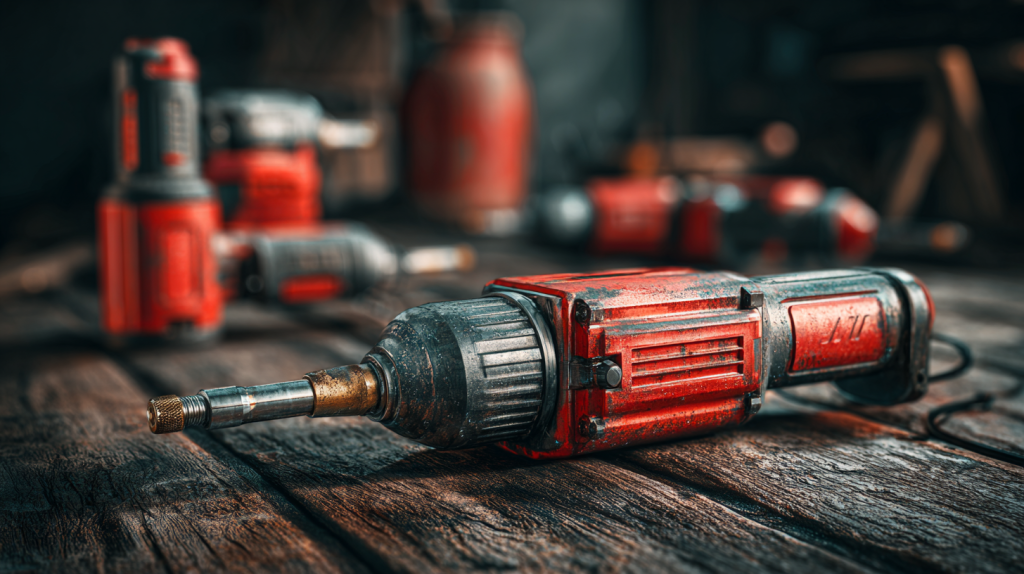
Battery-powered Tools
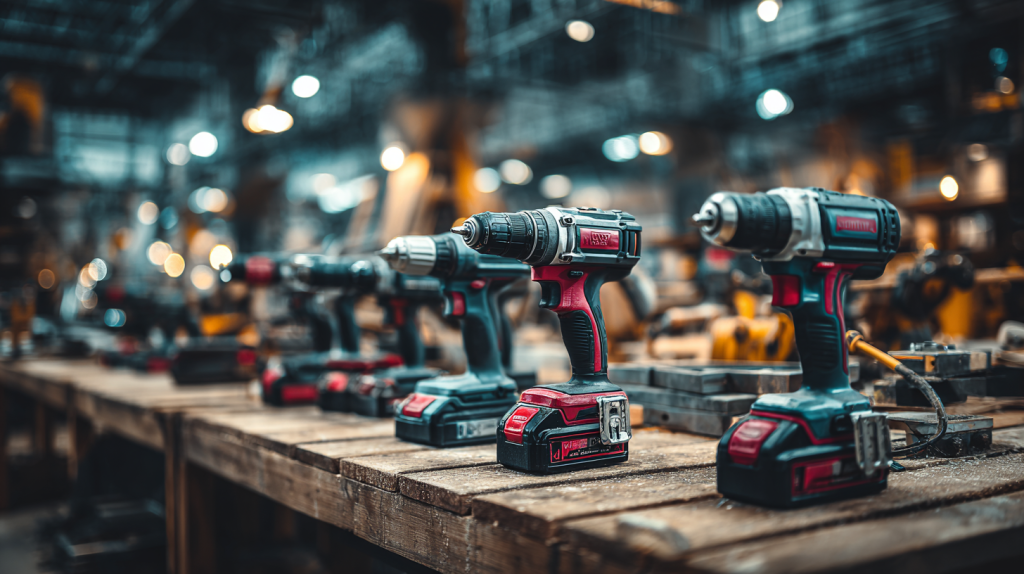
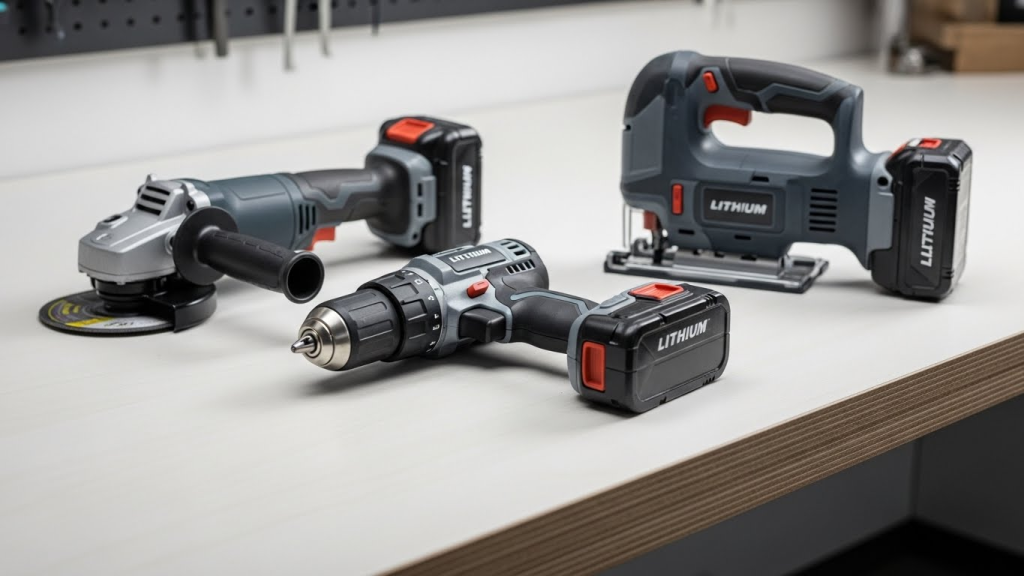
These tools are also known as cordless power tools. They need rechargeable batteries to function. They are portable and are excellent for projects with limited electrical outlets.
Types of Power Tools and Their Uses
Power tools have multiple types. Each of them is designed to do a specific task. Let’s explore different categories of these tools and their uses.
Handheld Power Tools
These tools are operated by hand, but they are different from the manual tools. They are powered by electricity and do not need manual effort.
Power Drills: These drills are used to drill holes and drive screws. They come in different styles and sizes, such as corded drills and cordless drills.
Circular Saws: These saws have circular blades that rotate at high speeds. They can make straight cuts through wood, plastic, and metal.
Jigsaws: These have reciprocating blades that cut intricate shapes and curves in different materials.
Stationary Power Tools
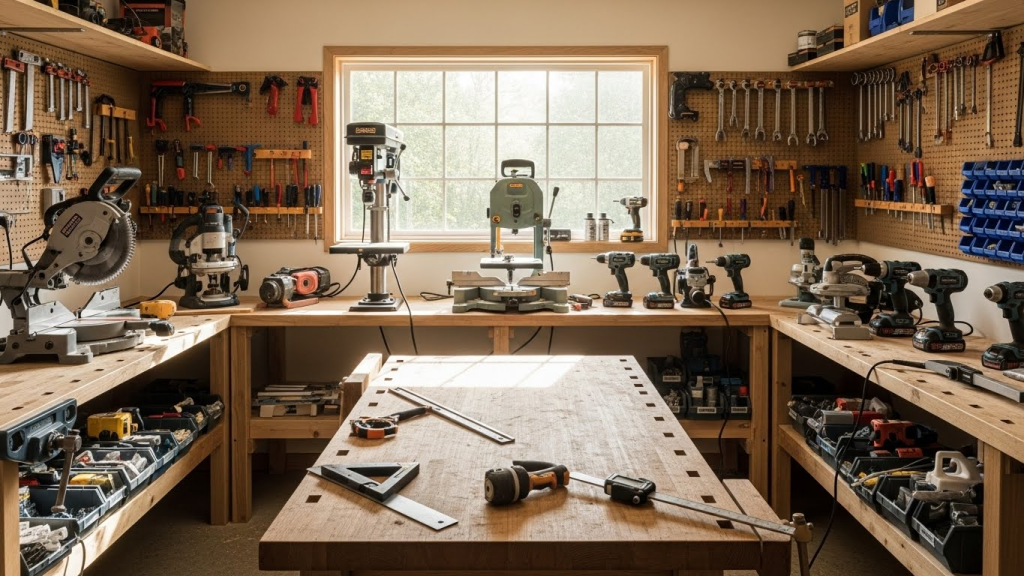
Stationary power tools are large and placed on a workbench or a stand.
Table Saw: It is used to make straight, rip, and cross cuts in large pieces of wood and sheet materials.
Miter Saw: It is designed for precise crosses, bevel cuts, and miter cuts in wood and other materials.
Band Saw: It is used for cutting curves and irregular shapes in different materials like wood and metal.
Pneumatic Power Tools
These air-powered tools are used for their speed, durability, and power.
Pneumatic Nail Gun: These guns are used for rapidly driving nails into drywall, wood, and other materials.
Pneumatic Impact Wrench: These wrenches are commonly used in construction and automotive repair for tightening and loosening nuts and bolts.
Pneumatic Spray Gun: This tool is used for applying paints, varnishes, and other coatings. It is mostly used in furniture and automotive refinishing.
Portable Power Tools
The versatility of these tools is suitable for both home use and professional work.
Cordless Drill: These drills are excellent for tasks in which mobility is required, as they do not require a power cord.
Cordless Impact Driver: These are designed for driving bolts and screws efficiently and are mostly used in woodworking and construction.
Cordless Angle Grinder: These grinders are used for cutting, polishing, and grinding. These are commonly used in construction and metalworking.
Benchtop Power Tools
These compact tools are designed for controlled and precise work on a workbench.
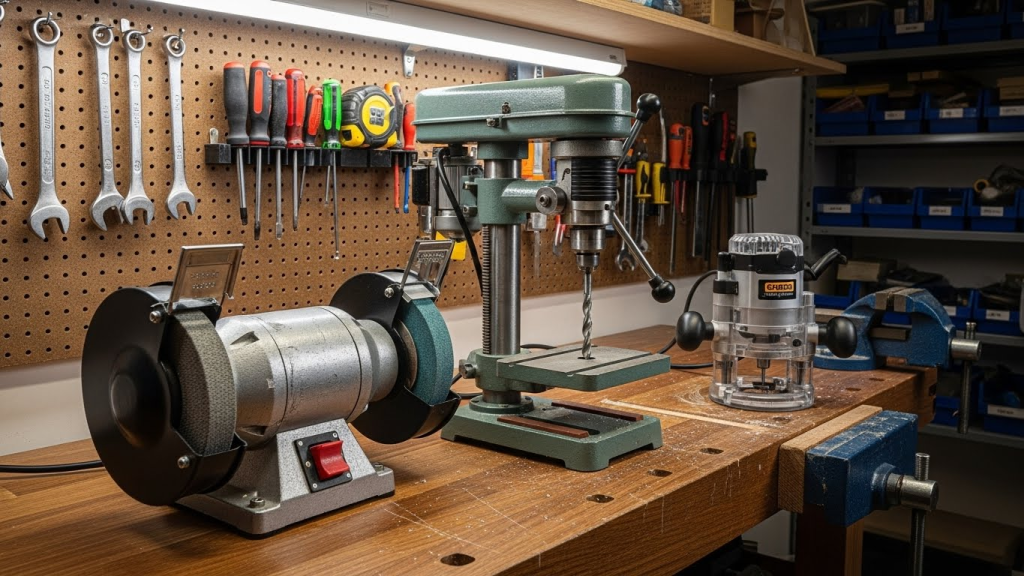
Bench Grinder: These have two rotating grinding wheels and are used for shaping, sharpening, and polishing metal objects and other tools.
Bench Drill Press: These are used for drilling accurate holes in different materials and offer more stability than handheld drills.
Benchtop Router: These versatile tools are used for shaping edges, creating grooves, and making decorations on different materials. They are commonly used in woodworking.
Power Tools by Application
Each power tool is used for a certain task.
Woodworking and Carpentry Power Tools
These tools are used for cutting, shaping, and finishing wood. Examples include
- Circular saws
- Table saws
- Routers
- Planers
- Sanders
Construction Power Tools
These power tools can easily handle tough materials like concrete, steel, and masonry. Some common tools are
- Rotary hammers
- Concrete mixers
- Demolition hammers
- Heavy-duty drills
Power Tools for Mechanics
These tools are commonly used in automotive repairs and industrial maintenance. Some examples are
- Impact wrenches
- Air ratchets
- Grinders
- Torque tools
Power Tool Accessories You Should Know About
Power tool accessories play an important role in performance and versatility. Some common accessories you need are
- Drill bits and screwdriver bits
- Saw blades
- Sanding discs and belts
- Grinding wheels
Power Tool Safety Tips
While being extremely useful, power tools can be dangerous if not handled properly. Both beginners and professionals should follow the safety guidelines mentioned below.

- Always wear protective gear, like gloves, hearing protection, and goggles, when working with these tools.
- Read the manufacturer’s guidelines before using the tools.
- Keep all the tools clean and maintained.
- Do not wear any loose clothes or jewelry.
- Disconnect power or remove batteries before changing accessories.
Handling these tools safely reduces the chances of any unfortunate accidents.
Power Tool Maintenance and Care
Regular maintenance increases the lifespan of your tools and ensures safe and seamless operation.
- Clean your tools after using them.
- Store tools in dry and dust-free environments.
- Inspect cords, batteries, and accessories regularly to see any wear.
- Replace worn-out parts immediately.
Wrapping Up
Power tools are important for modern home improvement, DIY projects, and professional services. Understanding the types of power tools, their uses, and proper maintenance ensures that your work starts and ends seamlessly.
Stay updated on the latest information about technology through AI Technology Tips.
FAQs
What are the Best Power Tools for Beginners for Home Projects?
Beginner-friendly power tools include cordless drills, jigsaws, compact circular saws, and orbital sanders. These are versatile, easy to control, and suitable for home projects.
Are Cordless Power Tools suitable for Professional Use?
Modern cordless power tools now come with high-capacity lithium-ion batteries that can handle many professional tasks. However, for heavy-duty tasks, corded tools are better.
What should I look for when buying my First Power Tool Set?
For your first set, look for essential tools, reliable brands, safety features, battery compatibility, and warranty coverage. A starter kit is often better than buying tools individually.
Can one Power Tool be Used for Multiple Projects?
Yes, many power tools are versatile when paired with the right accessories. For example, drills can be used for drilling, driving screws, and light mixing of paint, grout, or similar materials when fitted with the right accessories.

