

AI is the term you have been hearing a lot, particularly in recent years. It has become an invisible assistant in our daily lives. From asking Siri for directions to using chatbots for instant answers, AI is transforming all aspects of our lives.
If you are wondering what is AI and why it is such a big deal, you are not alone. In this guide, we will explore AI in depth, discussing its definition, real-world uses, examples, and much more.
30-Seconds Summary
Want to learn what is AI? This blog covers Artificial Intelligence definition, a snippet of its history, how it works, its different types, limitations, advantages, disadvantages, and real-world applications and examples.
What is AI?
AI basically stands for Artificial Intelligence. It is the development of machines to perform tasks that are typically associated with humans, such as reasoning, making decisions, and recognizing patterns.
Artificial Intelligence is basically a broad term that comprises a vast variety of technologies, such as NLP, machine learning, and deep learning.
The apps and devices powered by AI understand and respond to human language, give detailed recommendations, and identify objects. For instance, a self-driving car requires minimal to no human intervention as it is equipped with Artificial Intelligence.
History of AI
In 1950, Alan Turing wrote his seminal paper “Computing Machinery and Intelligence.” He introduced the concept of Artificial Intelligence in this paper and explored the possibility that machines can think like humans.
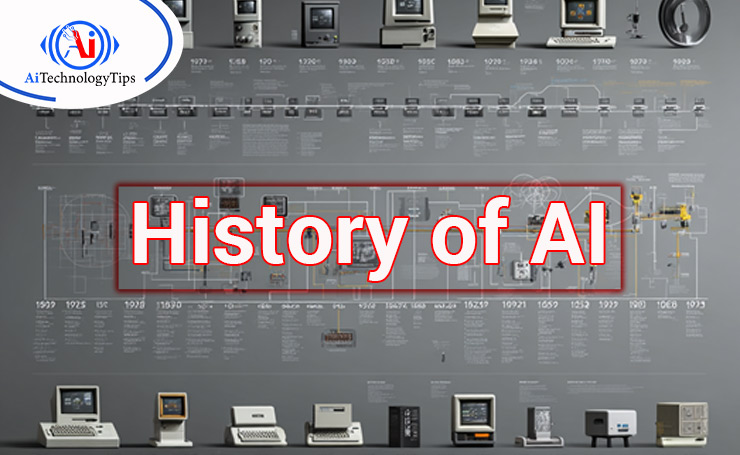
This served as the foundation of what AI you see today. Engineers and scientists worked for decades to introduce the refined version of Artificial Intelligence you are familiar with and use in your daily life.
1940-1980
Warren McCulloch and Walter Pitts proposed the model of artificial neurons in 1943. It became the foundation of neural networks, which is the core technology within AI.
In 1950, Alan Turing introduced the Turing Test in “Computing Machinery and Intelligence” to evaluate a machine’s intelligence.
These inventions led Marvin Minsky and Dean Edmonds to build the first neural net machine called SNARC. This was the time when the first “AI winter” happened due to reduced funding, hardware, and computing limitations.
1980-2006
In the 1980s, AI saw a renewed surge of interest due to research and government funding, particularly for translation and transcription.
The socio-economic factors between 1987 and 1997 resulted in another “AI winter.” However, when IBM’s Deep Blue defeated the world chess champion Garry Kasparov in 1997, the circumstances took a significant shift.
The commercial interest was building due to the continuous research. The innovations of this time became the foundation for AI’s next phase of growth.
2007-Present
From 2007 to 2018, the advancement of cloud computing resulted in increased adoption, innovation, and growth of machine learning. These advancements included AlexNet, which was a Convolutional Neural Network (CNN) architecture.
It won the ImageNet competition, showing the power of deep learning in image recognition. Another accomplishment was Google’s AlphaZero mastering the games of chess, Go, and Shogi, relying on self-play without any human data.
In 2022, chatbots powered by AI and NLP became popular for their human-like conversations, such as OpenAI’s ChatGPT. It renewed interest in Artificial Intelligence and its development.
Difference between Machine Learning vs AI, vs Deep Learning
AI is a comprehensive term that covers all the strategies and technologies used to make machines more human-like. It involves everything, from autonomous vehicles to smart virtual assistants such as Alexa.
Machine learning and deep learning fall under AI; however, not all AI activities are machine or deep learning. To understand it, we need to delve deep into each concept.
Machine Learning
You must have seen the terms Artificial Intelligence and machine learning used interchangeably. The fact is, machine learning is one of the many branches of AI. It is a broad range of techniques that develop algorithms and statistical models to make decisions based on data.
To put it simply, machine learning allows systems to learn from data and keep improving automatically without being programmed explicitly. All machine learning is AI, but not all AI is machine learning.
In the current context, machine learning uses a set of statistical techniques known as machine learning models. You can use them independently or support other complex AI activities.
Deep Learning
Deep learning, a field within machine learning, uses artificial neural networks to train from large volumes of data. It enables machines to perform complex tasks, such as image and speech recognition.
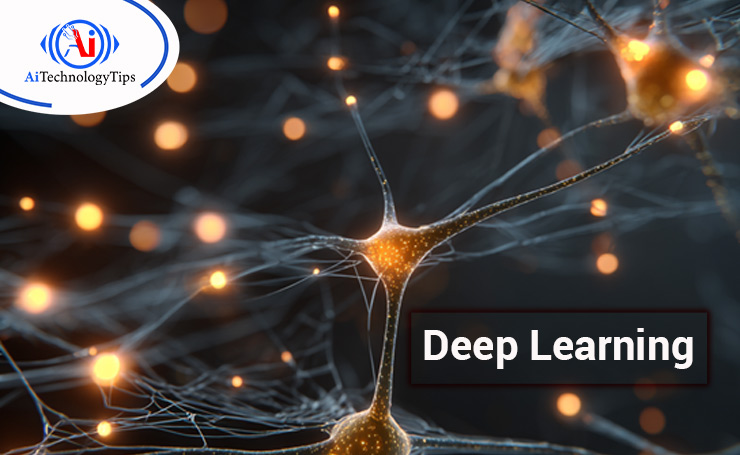
Deep learning models use millions of software components. The use of micromathematical operations on small data units solves larger problems. For instance, these models analyze individual pixels to identify an image.
Modern AI models use multiple deep neural networks to perform complex tasks, such as writing poems and generating images through text prompts.
How Artificial Intelligence Works
AI systems transform raw data into meaningful information. It has three main elements: data, algorithms, and computing power. Artificial Intelligence uses large datasets, identifies patterns, and applies this new knowledge to new situations, just like how humans learn from experience.
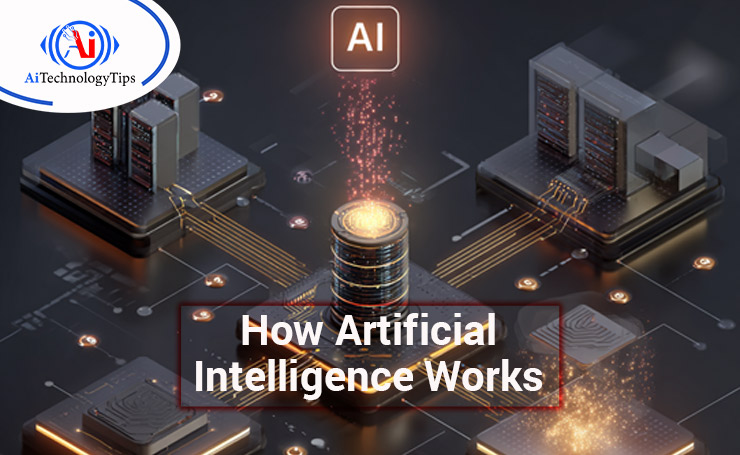
Every interaction allows AI to become more accurate and innovative, providing new opportunities for businesses.
Neural Networks
The core of AI systems is artificial neural networks. Just like the human brain, which has millions of neurons to process information, these networks also have artificial neurons.
These neurons help in processing and analyzing information. Each artificial neuron uses mathematical computations to solve complex problems.
Natural Language Processing (NLP)
NLP, a subfield of AI, uses neural networks to analyze, interpret, and produce natural human language in both written and spoken formats.
It uses machine learning algorithms and techniques from computer science and linguistics, and allows machines to process human text and generate new text.
Computer Vision
Computer vision uses deep learning to extract information from images and videos. It is used to keep a check on online platforms for any inappropriate images, process image details, and identify faces.

Computer vision is important in everything from content moderation to advanced vehicles, where split-second decisions can alter your life.
Speech Recognition
The speech recognition feature of AI uses deep learning models to recognize human language, identify words, and process meaning. The neural networks allow machines to transcribe speech to text and identify vocal sentiment.
Speech recognition is used in many areas, including call center software and virtual assistants, to identify the meaning of human speech and perform related tasks.
Generative AI
Generative AI, or Gen AI, is a technology that can create images, text, video, and other content through a simple prompt. The past AI was limited to only analyzing data, but generative AI uses deep learning and massive datasets to produce creative, human-like outputs.
In recent times, most AI practitioners, researchers, and AI-related headlines have been focused on the breakthroughs of Generative AI, as it is a major evolution in the field of Artificial Intelligence.
Types of Artificial Intelligence: Functionality
Researchers outlined four types of AI, which are summarized below.
Reactive Machines
It is the most basic type of Artificial Intelligence. Machines that are built in this way do not have knowledge of any previous event. They react to what is given to them at the moment. They can perform certain tasks within a very narrow scope.
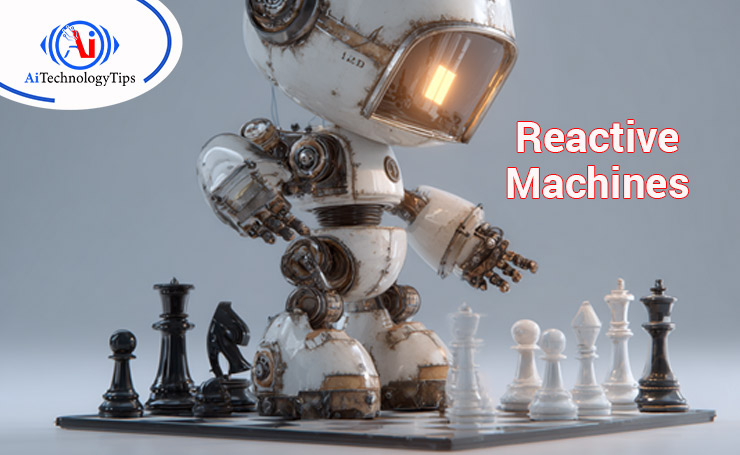
IBM’s Deep Blue, which defeated the world chess champion Garry Kasparov in 1997, is the best example of reactive AI.
Limited Memory Machines
Machines with limited memory have limited knowledge of past events. They interact more with the world than reactive machines. The modern AI is considered to have limited memory.

It can improve memory by being trained with new data using an artificial neural system and other training models. Deep learning is an example of limited memory AI.
Theory of Mind Machines
Machines possessing the theory of mind do not currently exist, but research is ongoing to make it a reality. These types of machines will mirror the human mind and have an understanding of other entities in the world as well.
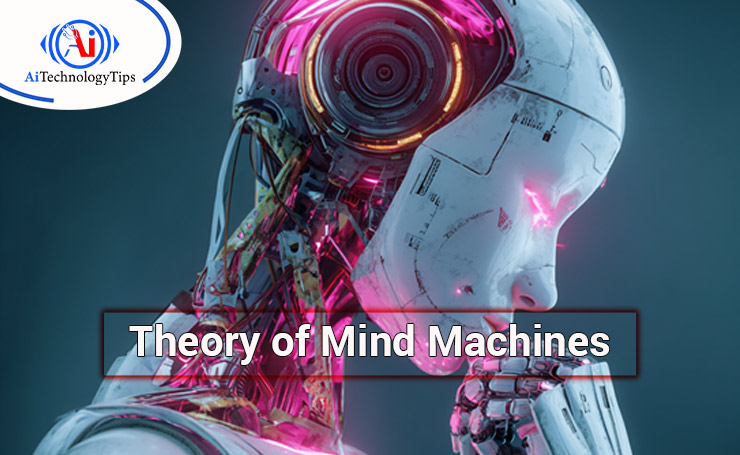
These machines will be able to recognize and remember emotions and react in social situations just like a human would.
Self-aware Machines
Self-aware machines will be a step above theory of mind machines and will be the most advanced type of AI. These machines will have an understanding of the world, others, and themselves.
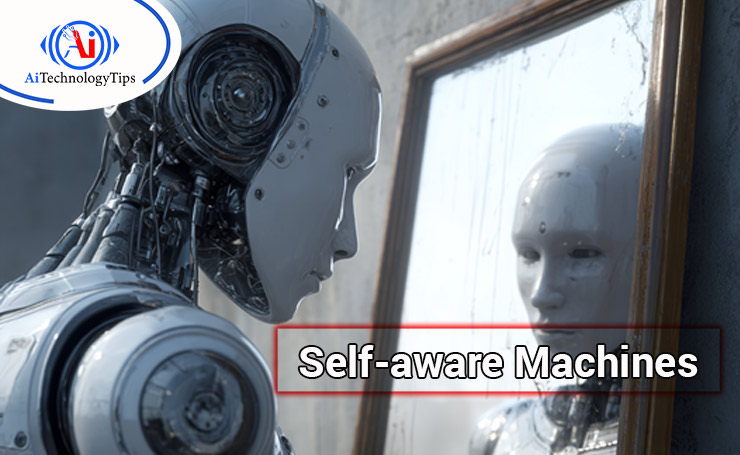
In other words, they will be aware of their own existence and have the intellectual and emotional capabilities of a human. Currently, it is a far-off reality.
Types of Artificial Intelligence: Capabilities
Narrow AI vs General AI: Narrow AI refers to weak AI, whereas General AI refers to strong AI. Narrow or weak AI is the use of widely available AI to perform very specific tasks. This is the type of AI we use daily.
General or strong AI is still theoretical. It refers to an AI model that has human-level capabilities and can perform any intellectual task just like a human.
Artificial Super Intelligence (ASI): It is a future concept that refers to AI surpassing human intelligence and capabilities.
Generative AI: It is a newer type of AI that can generate images, videos, and text. Tools like DALL·E and ChatGPT are the most famous examples of Gen AI.
AI Training Models
Artificial Intelligence uses machine learning algorithms to train data. Machine learning has three learning models.
Supervised Learning: It trains models on labeled data sets and enables them to accurately identify patterns, predict outcomes, and classify new data.
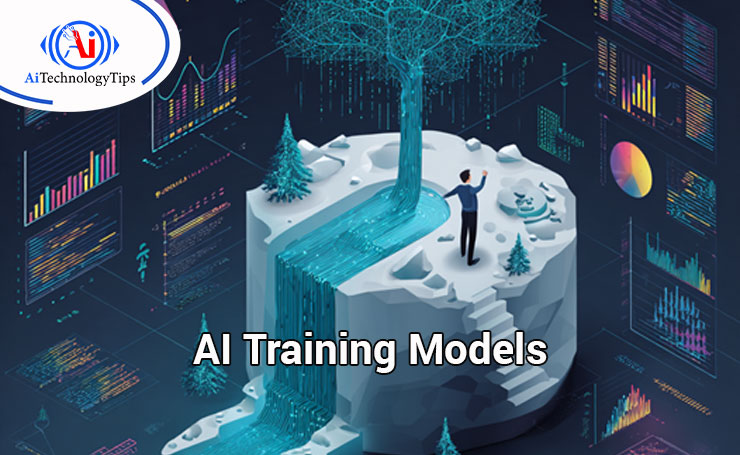
Unsupervised Learning: It trains models on unlabeled data, enabling them to understand underlying relationships and clusters.
Reinforcement Learning: Models act as agents and receive feedback on their performance.
Key Technical Concepts in Artificial Intelligence
These are the deeper concepts that are shaping the next wave of AI research and adoption.
Machine Common Sense in AI
One of the greatest limitations of modern AI is the lack of common sense. AI struggles with connecting simple dots (for instance, the glass breaks if you drop it).
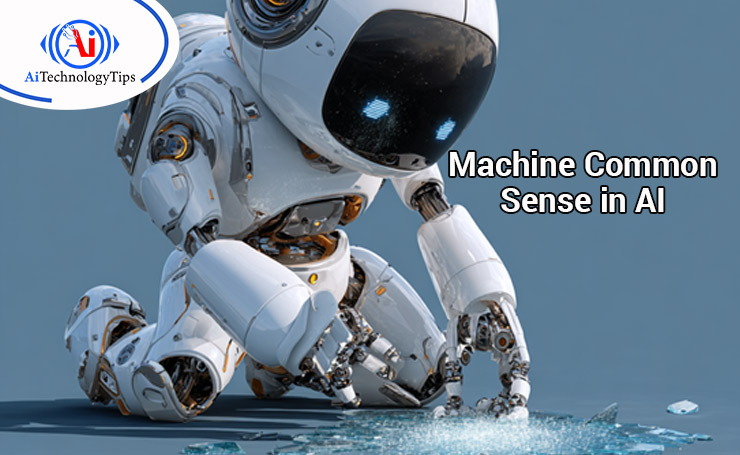
Currently, AI performs specific tasks exceptionally well, but cannot understand the broader understanding of the world. Developing common sense is the primary focus of AI research. Without it, the system will remain brittle and not adapt to unfamiliar situations.
What Is Explainable AI (XAI)?
AI models, particularly the ones that utilize deep learning systems, are called black boxes. They can give results, but cannot explain how and why they reached this conclusion. This shortfall in transparency can be very dangerous, particularly in fields like healthcare, law, and finance.

The goal of explainable AI is to tell users why and how it reached a specific decision, adopting accountability and creating trust.
AI Hallucinations in Generative Models
Generative AI often generates hallucinations, meaning it gives false, misleading, or fabricated outputs confidently. For instance, a chatbot creates a source that does not exist.

It happens because AI systems analyze previous patterns and give outcomes on the basis of possibilities rather than understanding the context. These false results can be dangerous, especially in business, healthcare, and legal settings.
AI Governance and Safety Frameworks
Governance is becoming essential as AI grows more autonomous. Without proper checks and balances, AI can be used for misinformation, surveillance, and harmful automation.

AI governance includes creating policies, guidelines, and ethical standards for responsible development and deployment.
AI Applications
AI has become indispensable in many sectors. Some notable AI in daily life applications are mentioned below.
Healthcare
In healthcare, AI is used in multiple operations. One major use of AI is the use of machine learning models to process large datasets to assist professionals in making faster diagnoses.

For instance, an AI model can alert neurologists after identifying suspected strokes in a CT scan.
Business
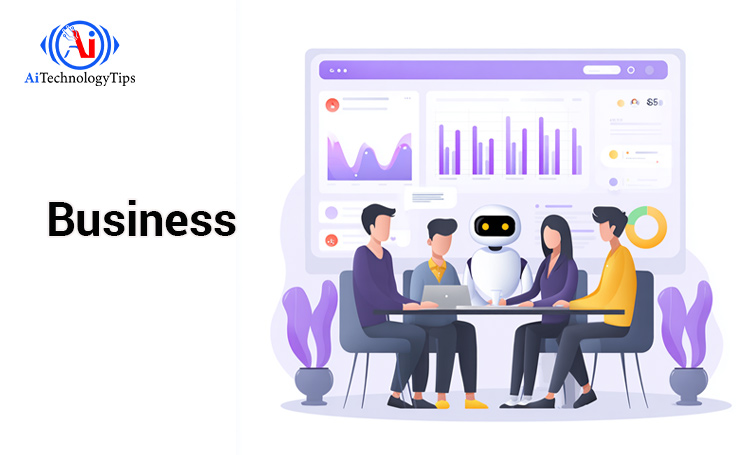
AI is improving many tasks in business. It aims to enhance customer experience, decision-making, and strategic planning.
Some examples are chatbots used on corporate websites and the use of CRM to help understand how to best serve their clientele.
Education
AI is also making waves in the education sector. It can automate the grading process, giving educators free time to do more important tasks.
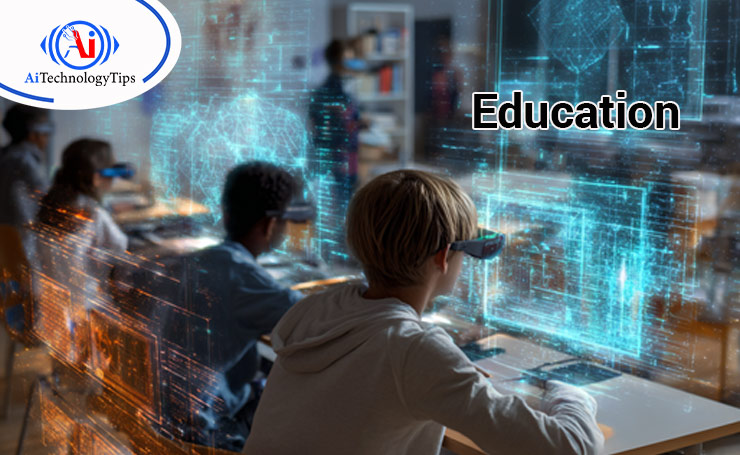
AI tutors also provide additional support to students and ensure that they stay on track. Also, AI tools assist educators in creating curriculum aimed at students’ educational growth.
Finance and Banking
Banks and other financial institutions utilize AI to enhance decision-making, such as granting loans, setting credit limits, and recognizing investment opportunities.

Moreover, AI has also become important in consumer finance and handles tasks that do not require human intervention.
Law
Law professionals are using AI to help them with time-consuming and tiring tasks such as document review and discovery response.
Law firms use Artificial Intelligence to extract information from documents, analyze case law and data, and interpret and respond to discovery requests.

Entertainment and Media
The entertainment and media sector uses AI for targeted advertising, content recommendation, and distribution.
Through it, media firms can provide the audience with a personalized experience and optimize content delivery.

Journalism
Journalists utilize Artificial Intelligence for automating monotonous and time-consuming jobs, like proofreading and data entry.

Investigative journalists can quickly find hidden connections and research stories by using AI to sift through large volumes of data, making these tasks less time-consuming.
Manufacturing
Manufacturing has incorporated robots in workflows for enhanced outcomes. The new trend of cobots in manufacturing is different from using traditional robots.
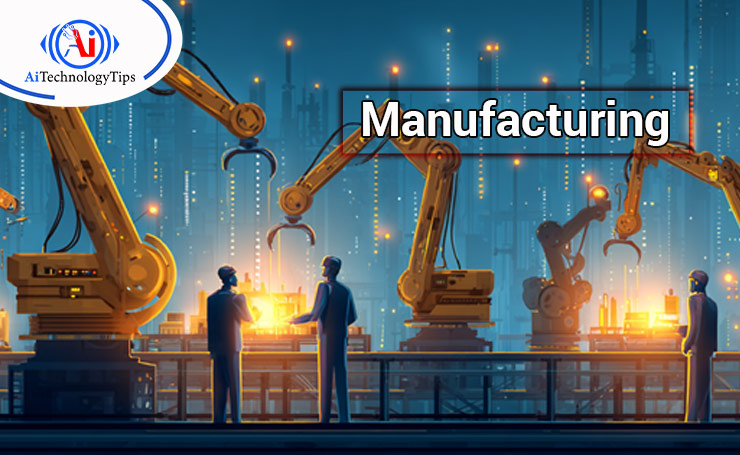
Traditional robots required workers to operate them. Cobots work alongside humans in packaging, assembly, and quality control.
Security
AI and machine learning are very useful in multiple aspects of cybersecurity. It is used in anomaly detection and for reducing false positives.

It conducts behavioral threat analytics to identify suspicious activities and potential threats.
Examples of AI
You encounter AI on a daily basis. Some popular examples of Artificial Intelligence are:
- Siri, Alexa, and Google Assistant as voice assistants
- Netflix recommends content, and Spotify creates playlists based on your interests.
- Customer support agents as chatbots
- Tesla’s Autopilot and Google’s Waymo in self-driving cars
- Generative AI tools, such as ChatGPT, DALL·E, and Midjourney
Advantages of AI
- AI handles monotonous and time-consuming tasks such as data entry and scheduling to boost productivity and free humans for more strategic tasks.
- AI tools can process a large amount of data in seconds, far beyond human capacity.
- While the initial cost can be expensive, AI reduces operational costs through automation and error reduction.
- AI can easily analyze trends, predictions, and patterns to assist in medical and business decisions.
- AI chatbots work 24/7 without fatigue.
- By providing customized content recommendations, AI enhances user satisfaction.
- Gen AI creates logos and music and assists in writing. It facilitates human creativity instead of replacing it.
Disadvantages of AI
- Automation threatens the replacement of some jobs, such as data entry and customer support.
- Developing, training, and maintaining AI systems can be expensive, particularly for small and medium businesses.
- AI systems work with large datasets, which can expose sensitive information and become a threat to data security.
- Dependence on AI can reduce human skills, judgment, and critical thinking over time.
- While chatbots and AI assistants are faster, they cannot replicate the depth of human emotions and understanding.
- The biases in AI training can lead to discrimination and unfair practices.
- Technologies like deepfakes, mass surveillance, and autonomous weapons pose a serious global risk.
The Future of AI and Generative Trends
The following trends will define the future of Artificial Intelligence.
- The rise of General-purpose AI that will be able to perform more tasks.
- The development of multi-modal AI systems that will be able to process images, texts, audio, and videos simultaneously.
- Innovative AI will be able to achieve more independent discovery through computational creativity and cross-domain knowledge synthesis.
- AI governance will ensure ethical, transparent, and safe deployment.
The Bottom Line
Artificial Intelligence is a huge revolution, changing industries and everyday life. From smart voice assistants to autonomous vehicles, AI is making waves. This blog was a deep dive into what is AI and its different aspects.
The future of AI is clear. It is here to stay. We need to understand it to prepare ourselves to harness its full potential.
Get ready to learn more about AI and technology that is reshaping the world by exploring AI Technology Tips.
FAQs
What is AI?
AI (Artificial Intelligence) is the ability of computer systems or machines to mirror human thinking capabilities. It is used to perform tasks such as learning, problem-solving, language understanding, and decision-making.
What is Machine Learning?
Machine learning is basically a specialized area of AI (Artificial Intelligence) that uses algorithms to make systems learn from data. It makes predictions and decisions without needing explicit programming.
What are the Primary Types of AI?
AI is categorized into two types: based on capabilities (Narrow AI, General AI, Artificial Super Intelligence) and based on functionality (Reactive, Theory of Mind, Limited Memory, and Self-Aware AI).
What are the Limitations of AI?
Limitations of AI are the technical boundaries. It lacks common sense, emotional intelligence, human-level creativity, and context awareness.
Will AI Replace Humans?
AI can automate many tasks, but it cannot replace humans fully. It does not have human-like general intelligence, creativity, and social understanding. It can handle monotonous tasks so that humans can work on more creative operations and complex decision-making.

